“The Nature of Success” (A Quarry Farm Testimonial)
EDITOR’S NOTE: We occasionally feature testimonials from recent Quarry Farm Fellows and Residents, which combine conversational illustrations of their research and writing process with personal reflections on their experiences as Twain scholars, teachers, and fellows. Applications for Quarry Farm Fellowships are due each Winter. Find more information HERE .
2026 Michael J. Kiskis Quarry Farm Fellow
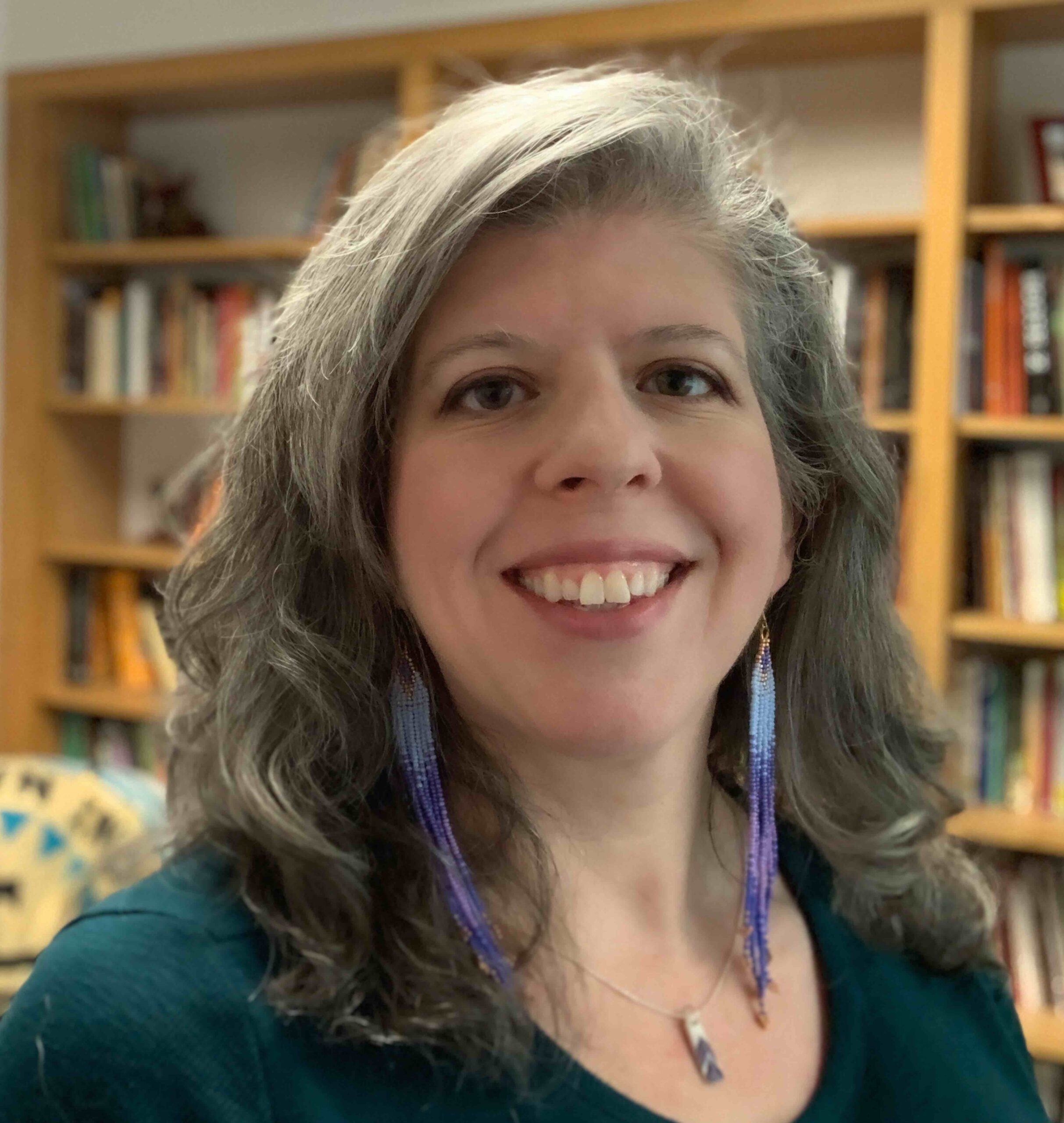
Rebecca Pelky is the author of two poetry collections: Through a Red Place (2021), winner of the Perugia Press Prize, and Horizon of the Dog Woman (Saint Julian Press, 2020). She has also co-translated, with Jake Young, a book of sonnets by Chilean poet Matilde Ladrón de Guevara, entitled Naked/Desnuda (Redhawk Publishing, 2022). A citizen of the Brothertown Indian Nation, her poetry interrogates historical and contemporary issues faced by Indigenous peoples in the United States. She is the recipient of a 2023 Literature Fellowship from the National Endowment for the Arts. Her recent work has been published in The Laurel Review, The Yellow Medicine Review, and Cutbank, among others. As an Assistant Professor of English at Le Moyne College, Pelky teaches creative writing and Native American literatures.
“My interest in Mark Twain is part of a larger creative project which reimagines, through poetry, the opinions and works of some of America’s greatest literary minds, specifically as those works and opinions relate to Indigenous peoples. My project seeks neither to redeem nor condemn the writers or their works, but rather to reconsider them through the lens of an Indigenous perspective. Besides Twain, other writers will include William Wadsworth Longfellow, James Fenimore Cooper, and Lydia Huntley Sigourney. While my primary goal is to write poetry, I also hope to build a longer essay from my experiences of staying at Quarry Farm. Perhaps it will be “A Midwestern Indian in Mark Twain’s Home,” similar in style and theme to Twain’s own novel, A Connecticut Yankee in King Arthur’s Court.
This project will advance a trend in my recent poetry, which has largely been the product of historical research. My methodology involves engaging with archival materials, historic sites, and genealogical research. For example, I recently spent time at the US Army Barracks in Carlisle, Pennsylvania, and the nearby Cumberland County Historical Society to interact with the spaces and archives of the former Carlisle Indian Industrial School, where my great-grandfather was an unwilling student. By interacting with these spaces and archives, I was able to produce several poems for my current manuscript. My plan is to engage with Mark Twain’s spaces, writings, and records, in similar ways.”
(Description of Rebecca Pelky’s Quarry Farm Farm Fellowship project)
As a poet, I can never predict where the next poem will come from. Sometimes it starts with a stray thought. Sometimes with an unusual experience or a resurfaced memory or a news story. Sometimes it’s a place or a dream. It sounds like a diaphanous process, I know, so occasionally I try to impose some structure on it. It works sporadically. That’s why I arrived at Quarry Farm with a plan; I would do as I’ve done successfully in the past and let archives guide me. I would respond to the history here with poetry. Much of the work in my last two manuscripts emerged from time spent with archives of various sorts. I use the term archive broadly. Susan Langdon Crane’s home is its own kind of archive, with certain stories being preserved, catalogued, evolved, shared.
I had a plan. I would approach this archive of Mark Twain’s life and work through my perspective as a person of mixed Indigenous and white heritage. What did it mean to read Twain’s work as a Native person? To sleep where he slept and to look out over the unchanging hills surrounding the town of Elmira? Quarry Farm and Elmira sit on the overlapping lands of the Susquehannock and the Onöndowa’ga (also known as the Seneca) peoples. There isn’t much in this archive to suggest their presence. Their stories were redacted probably even before there was a quarry on this land. Or perhaps the quarry was theirs once. Usually, this is the sort of absence that spurs my need to write—to remind us of what has been deaccessioned from our own history.
Photograph Courtesy of Rebecca Pelky
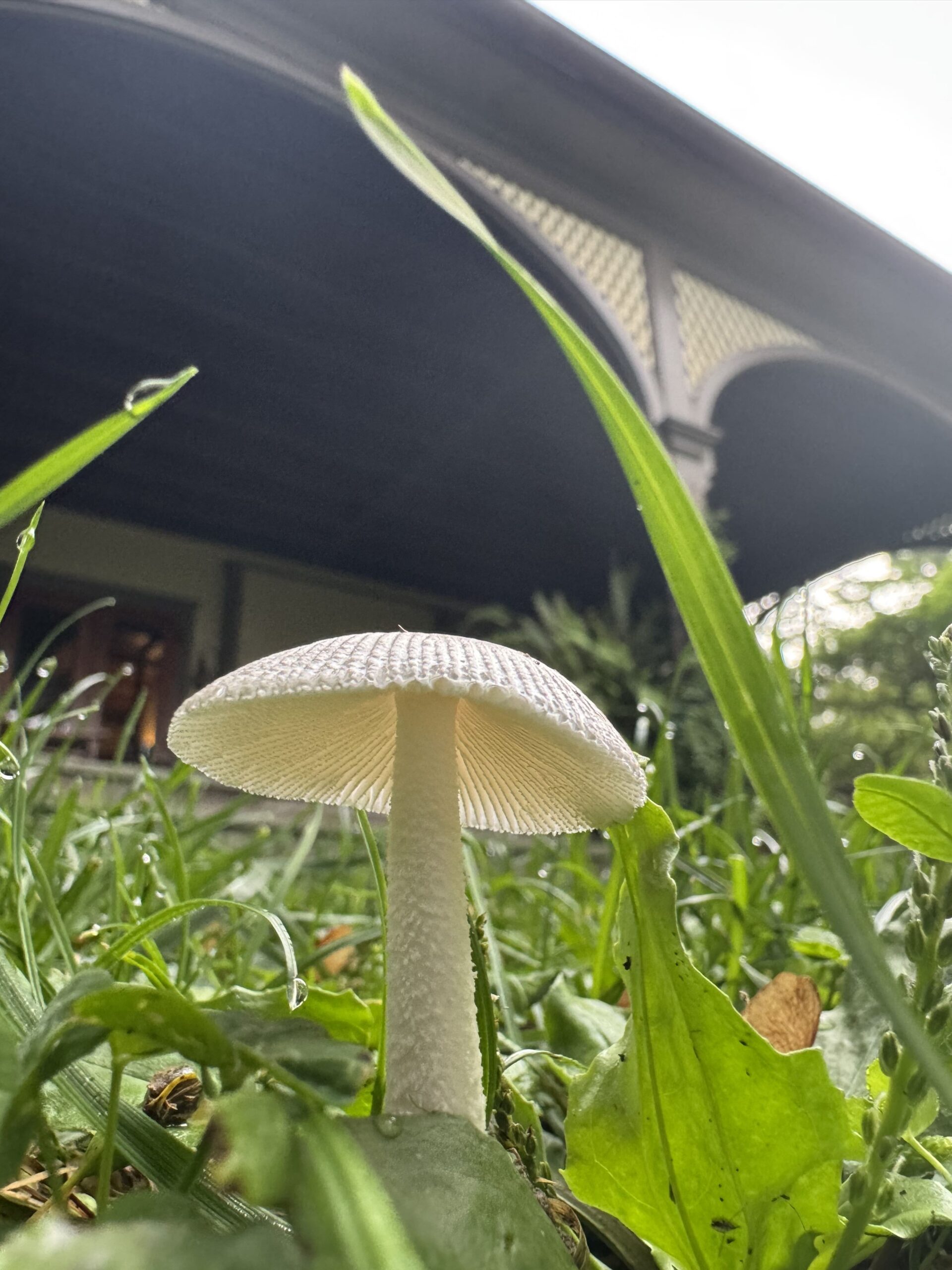
As I settled into Quarry Farm though, I found myself also settling into a kind of restfulness I haven’t often experienced beyond the north woods of my home in Michigan’s Upper Peninsula. I spent long hours on the back veranda, the weather cooling pleasantly in late August. I wasn’t thinking about Twain sitting there though, as I’d planned to do. Not when there was a swarm of bees gathered in the crook of a nearby maple tree, or a fawn feeding from a watchful doe across the lane. Not when the fireflies blinked unhurriedly from one side of the long sloping lawn to the other, competing with the lights of Elmira glinting from the hills. Not when morning fog settled between those same hills at dawn and the goldfinches and catbirds began to visit. And certainly not with one of the two resident cats purring quietly on my lap.
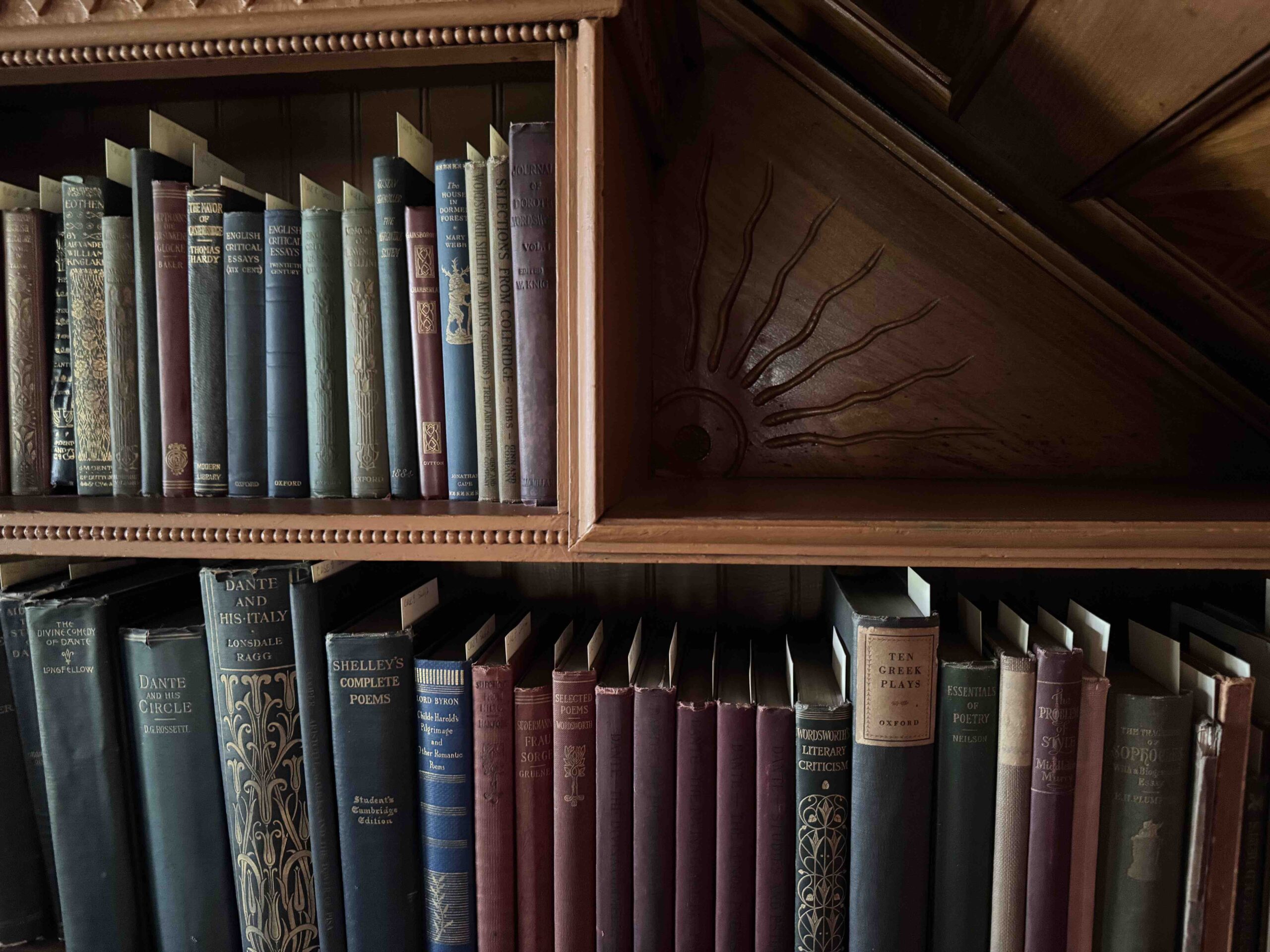
I made my pilgrimages too—to the family plots in Woodlawn Cemetery, to Twain’s octagonal study on the campus of Elmira College, and to the site on the Quarry Farm grounds where it once sat on a hill now grown to woods. I spent some time with the collection in Elmira College’s library as well, and was lucky enough to be shown Twain’s manuscript case, with his own hand-written list in pencil on the inside of the wooden lid. I read from a book of his love letters to his wife. I think after that it felt wrong to excavate Twain where he lived, as if it somehow made me a bad guest, as if he was looking down at me from his paintings and sculptures.
Photograph Courtesy of Rebecca Pelky
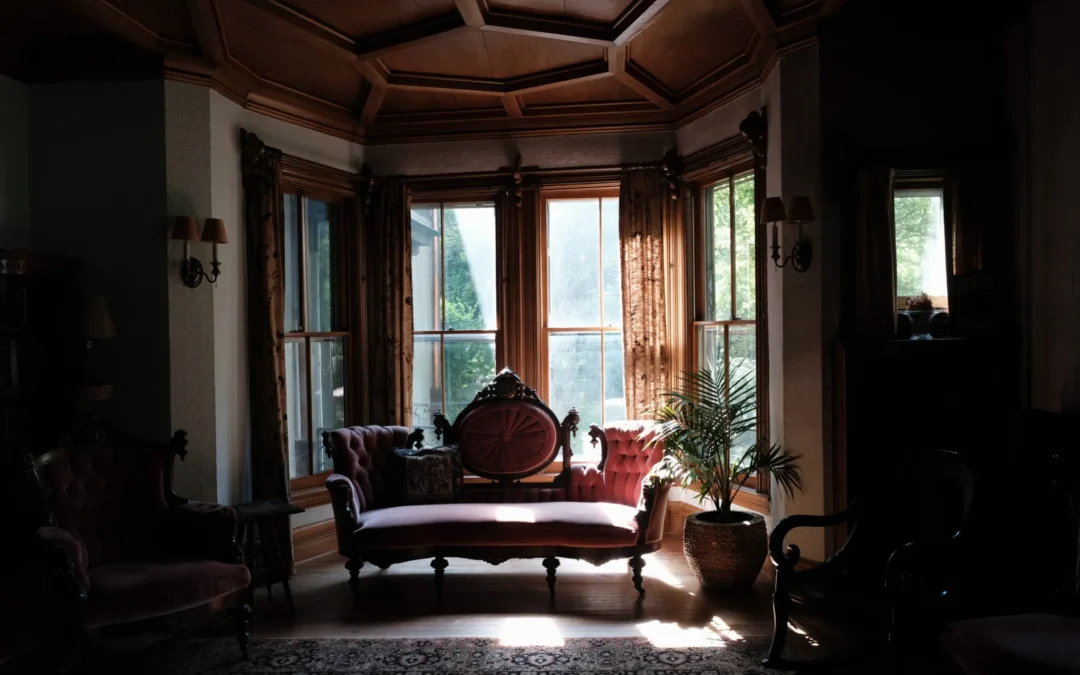
It’s not that I didn’t write. I liked the long empty library table best for writing, but it was easy to get distracted by the ornate tiles on the various fireplaces or the floral-patterned Lincrusta walls. I kept being drawn to just wander the various rooms, to open random books. Still, I wrote. Not about what I thought I would. I wrote about the deer, and the bees, and an uninvited animal visitor. I wrote about what it means to quarry—to dig with the purpose of extracting resources. My plan in being there was to quarry—to dig into this archive and extract raw materials for poems. However, in simply existing at Quarry Farm, I found I didn’t much want to dig. At least, not in a way that would take something. Instead, I think the place planted seeds in me, that have or will eventually grow into poems (sometimes they need a season to germinate).
In a way, it feels like I failed at Quarry Farm—I didn’t stick to the plan. However, I like to think that Susan Crane, who called her home “Do As You Please Hall,” wouldn’t be upset with how I spent my time. It’s easy to sink into quiet, peaceful days there. On the other hand, I don’t want to forget the Susquehannock or the Onöndowa’ga. I don’t want to forget that they watched fireflies here before there were competing lights in the hills. I don’t want to forget that I came to Quarry Farm as a Native person and I left as one just the same. Perhaps my success was in being just as distracted by the land as I was the house and the history. Maybe the call to write past the non-Indigenous history of the place was what I was meant to do all along. Either way, I’m immensely grateful for my time at Quarry Farm, and for the poems that it will continue to inspire.

Photograph Courtesy of Rebecca Pelky
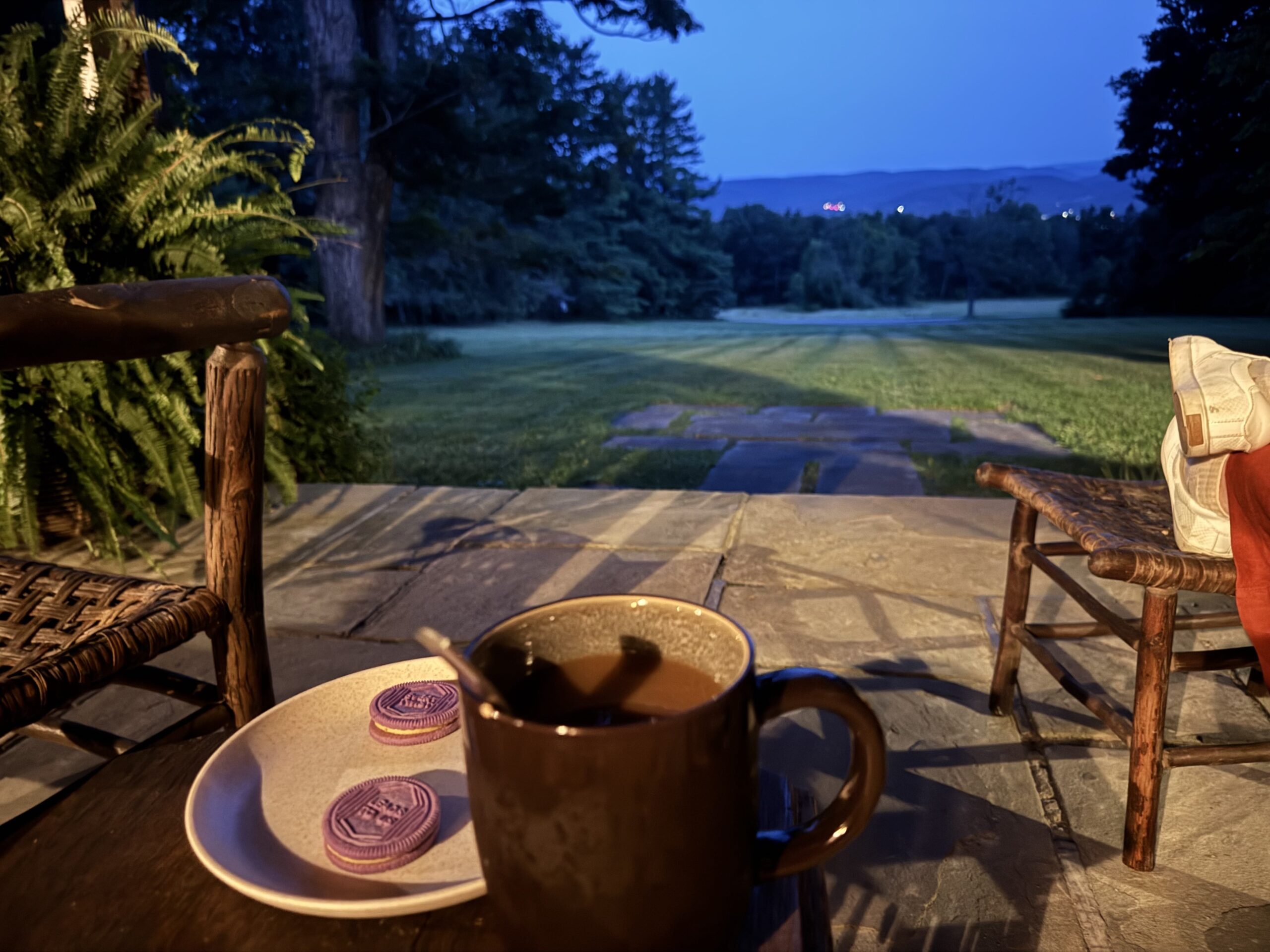
Photograph Courtesy of Rebecca Pelky