
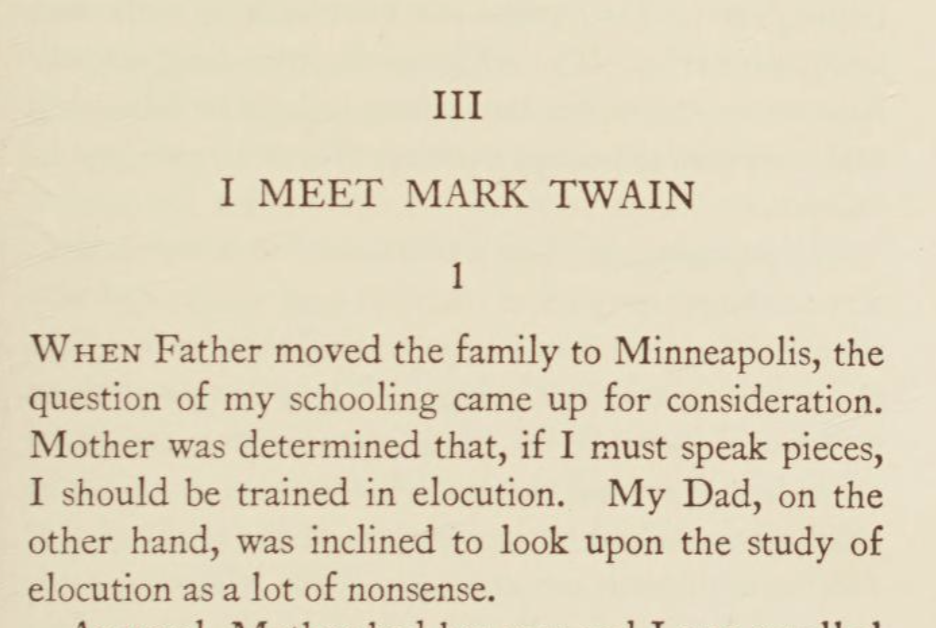

While slogging through the cesspool of the recently released Epstein files, I did a search for “Mark Twain” on a whim. To my surprise, the search garnered 130 results.
After a perfunctory review, most of them were repetitive or incidental references to Twain. He is quoted in marketing materials for a public speaking course, for example, or referenced in a market analysis from J.P. Morgan. An email subscriber-list Epstein was on regularly includes Twain quotes among collections of famous sayings. There are mentions of Mark Twain Junior High School (which Epstein attended), and so on.
However, three instances in particular feature Mark Twain as the specific topic of discussion. Two of them are in emails in 2017 from Val Kilmer. In one dated December 4, the late actor, who wrote and starred in the one-man play Citizen Twain, told Epstein he had “finally secured financing for Mark Twain and Mary Baker Eddy.” The day before, Kilmer asked Epstein how many seats he should reserve for a screening in Palm Beach of Cinema Twain, a film version of his stage show. As if continuing an ongoing debate that he was having with Epstein, Kilmer stressed in this email, “[E]ven tho it may sound a little corny, Mark Twain is an honorary Founding Father and his place as a leading figure in American history grows every year. You’ll see.”
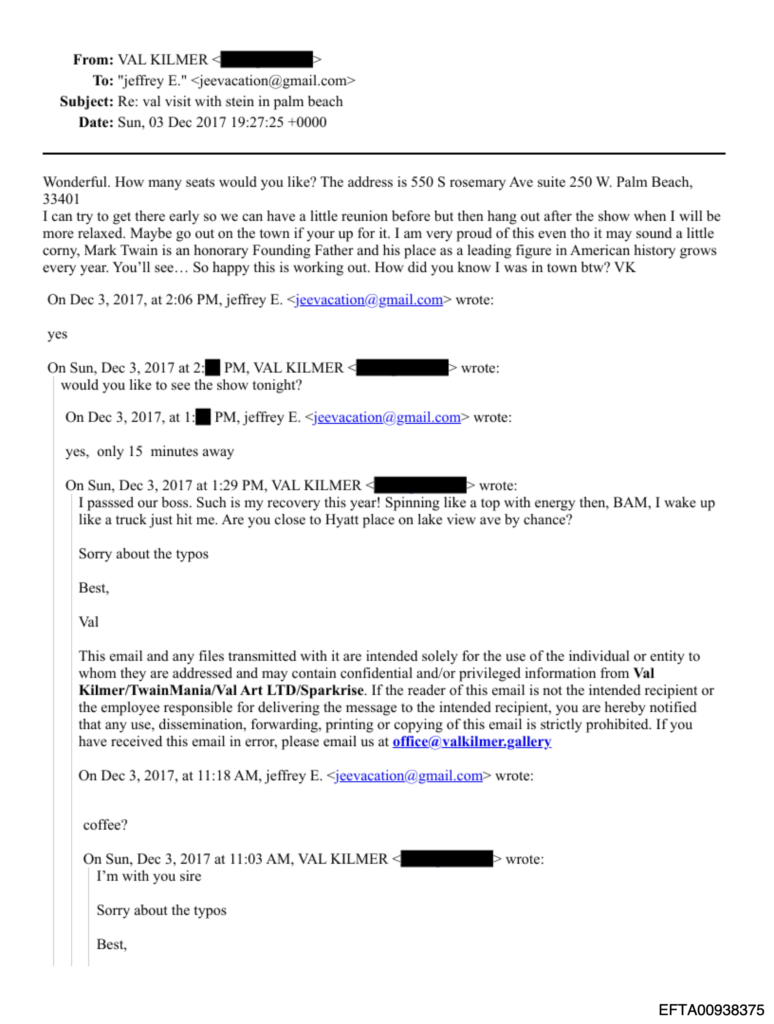
Kilmer’s insistence that “You’ll see” suggests he was trying to convince a jaded Epstein of Twain’s significance in American culture. An email exchange Epstein had a few years earlier seems to confirm that the disgraced financier did not think much of the beloved humorist.
“Ambitions like Trees Need a Tough Pruning”
On December 5, 2013, someone whose name is redacted sent the following email to Jeffrey Epstein:
It is unclear why the sender felt moved to include this Twain quote in an email about a new assistant for someone named Dean. However, Epstein’s terse response the next day suggests that he dismissed Twain’s words as irrelevant:
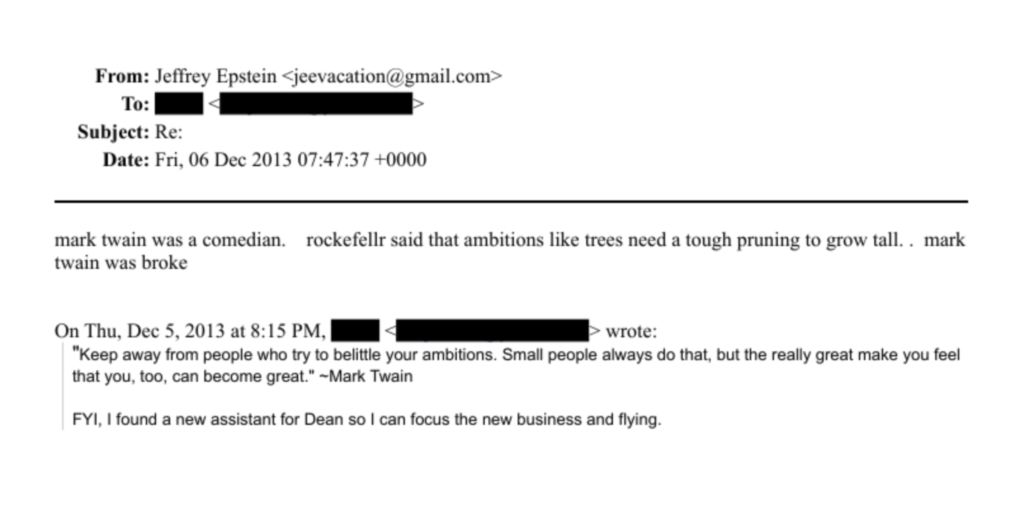 In Epstein’s steely-eyed worldview—where everything, human beings included, are commodities to be bought, sold and exploited—crowd-pleasing bromides from an insolvent comic like Mark Twain were hardly worth consideration.
However, the story behind Twain’s inspiring quote reveals a stark contrast between the integrity Twain had in interacting with women that the predatorial Epstein obviously lacked.
“An Unusually Gifted Young Lady”
Twain’s quote, which isn’t found in any of his writings or interviews, is nonetheless considered authentic. Twainquotes.com cites the source for it as Gay Zenola MacLaren’s 1938 memoir Morally We Roll Along.
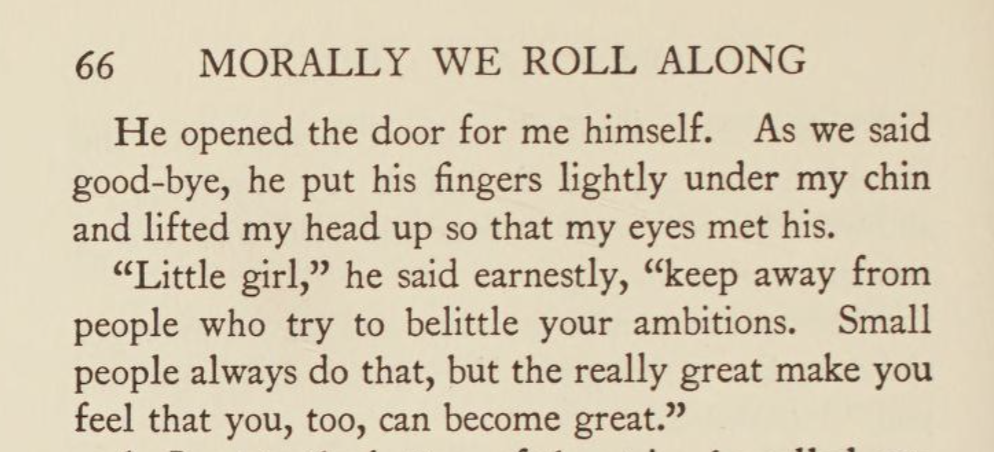
According to Alan Gribben’s Mark Twain’s Literary Resources, “MacLaren gave Clemens credit for a recommendation that launched her on the Chautauqua circuit where, from an early age, she gave recitals as an elocutionist and dramatic reader…According to her memoir,…she auditioned for Clemens…to ask his permission to perform scenes from Pudd’nhead Wilson, which he granted.”
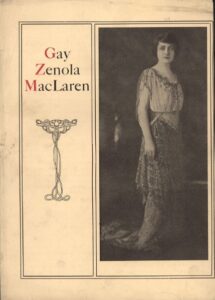 Twain, who considered MacLaren an “unusually gifted young lady,” saw this moment alone with an aspiring female performer as an opportunity to encourage and to nurture her, a glaring divergence from Jeffrey Epstein’s habitual sleazy exploitation in similar situations.
The Difference Between Being Broke and Broken
Technically, Epstein was right: “Twain was broke.” At least for a brief while after he published Pudd’nhead. He declared bankruptcy in 1894. He had been broke a few times in his life. He had also been rich. And he would be again. He paid off all his creditors with the proceeds of his worldwide lecture tour in 1895 and a bestselling travel book based upon it, Following The Equator.
But, compounding these financial challenges, Twain also grieved the tragic losses of his beloved wife Livy and two of their daughters, Susie and Jean. Through these dark and challenging times, the depth of character Twain exhibited with Gay MacLaren would remain unbroken. Even near the end of his life as he wrote No. 44, The Mysterious Stranger, Twain still held out an encouraging hope that we can yet be set free to “dream other dreams, and better”.
Apparently, such ambition and hope had little currency for a debauched financial wizard like Jeffrey Epstein. While he may never have been broke during his moment in the shadows among the world’s powerful elites, in the end Epstein would become trapped and broken in a squalid nightmare of his own making.
Dwayne Eutsey, a former Quarry Farm fellow, is the author of “There is No Humor in Heaven”: Mark Twain and Religious Liberalism (University of Missouri Press, 2025).


0 Comments