2026 QUARRY FARM FELLOWS
The Center for Mark Twain Studies is honored to announce the 2026 Class of Quarry Farm Fellows!
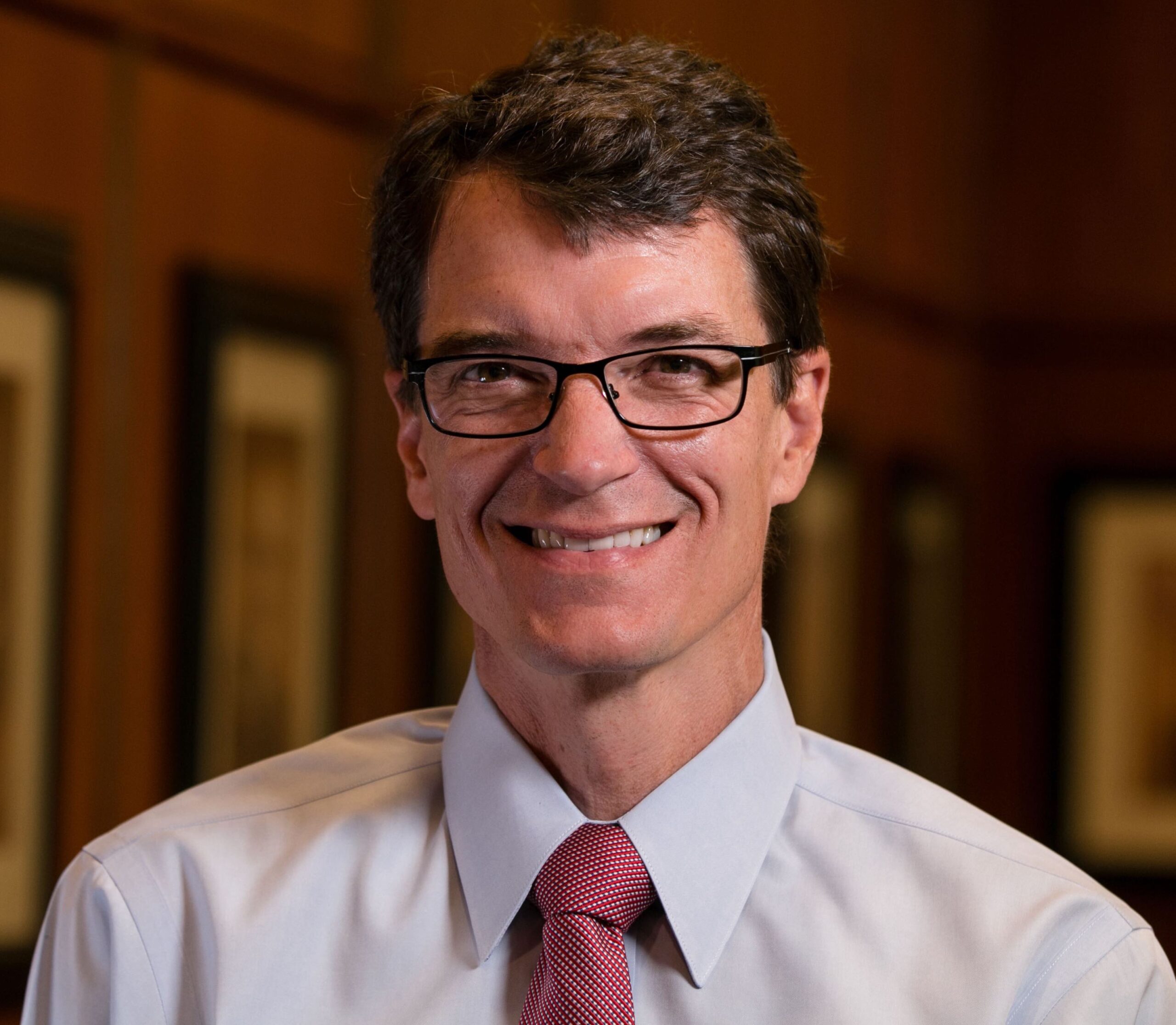
Jeff Abernathy
Jeff Abernathy is Professor of English and President Emeritus at Alma College in Michigan. He is the author of To Hell and Back: Race and Betrayal in the Southern Novel (2003), which traces a recurring pattern in Southern fiction and American popular culture: a white child achieves moral growth through a relationship with a Black adult, only to return to white society unchanged—a pattern first crystallized by Mark Twain in Adventures of Huckleberry Finn. During this sabbatical year, Abernathy is completing a book-length study of the cultural afterlives of Tom Sawyer and Huckleberry Finn.
Been There Before: Rewriting and Remembering Mark Twain’s Two Americas examines how Mark Twain and his two best-known novels not only inspired the nation but helped define it. In the second half of his life—and through the generations that followed—Twain became the consummate American for the world, with The Adventures of Tom Sawyer and Adventures of Huckleberry Finn serving as cultural ambassadors of the nation. This book traces how the afterlives of Tom and Huck have shaped American memory and national identity.
I argue that Americans have canonized not only Tom Sawyer but Mark Twain himself as sites of nostalgia for white innocence, while Huckleberry Finn—which initiates the shift to literary modernism in the United States—repeatedly complicates and contests that innocence. Together, the novels reflect a persistent division in American cultural memory: Tom Sawyer sustains a romantic fantasy of innocence and whiteness, while Huckleberry Finn confronts the nation with the legacies of racial violence, moral failure, and unresolved injustice.
The book traces the history of a national obsession. In response to Twain’s foundational stories of America, more than one hundred authors have written prequels, sequels, and direct rewritings, alongside hundreds of adaptations across film, television, graphic novels, advertising, and other media. The total number of rewritings of Tom Sawyer and Huckleberry Finn exceeds those inspired by Moby-Dick, Little Women, The Scarlet Letter, The Great Gatsby, The Catcher in the Rye, and To Kill a Mockingbird taken together. Twain’s enduring appeal lies not in a settled or coherent vision of America, but in his refusal to resolve central questions of innocence, race, freedom, and national identity—questions that continue to provoke reinterpretation. Writers return to Twain because his work offers a powerful framework through which to affirm, challenge, or reimagine the American past, and thereby to anticipate its future.
During the Quarry Farm Fellowship, I will work on a chapter–“Today’s Tom Sawyer”–which synthesizes the book’s core arguments by examining contemporary struggles over American cultural memory. Here, I focus on the recurring tension between efforts to romanticize the nation’s racial past and countervailing efforts to interrogate it. I place recent cultural and political movements—such as the revival of Lost Cause monuments and the historical revisionism associated with the MAGA movement—alongside efforts like The 1619 Project, which seeks to recast American history through the lens of slavery and race.
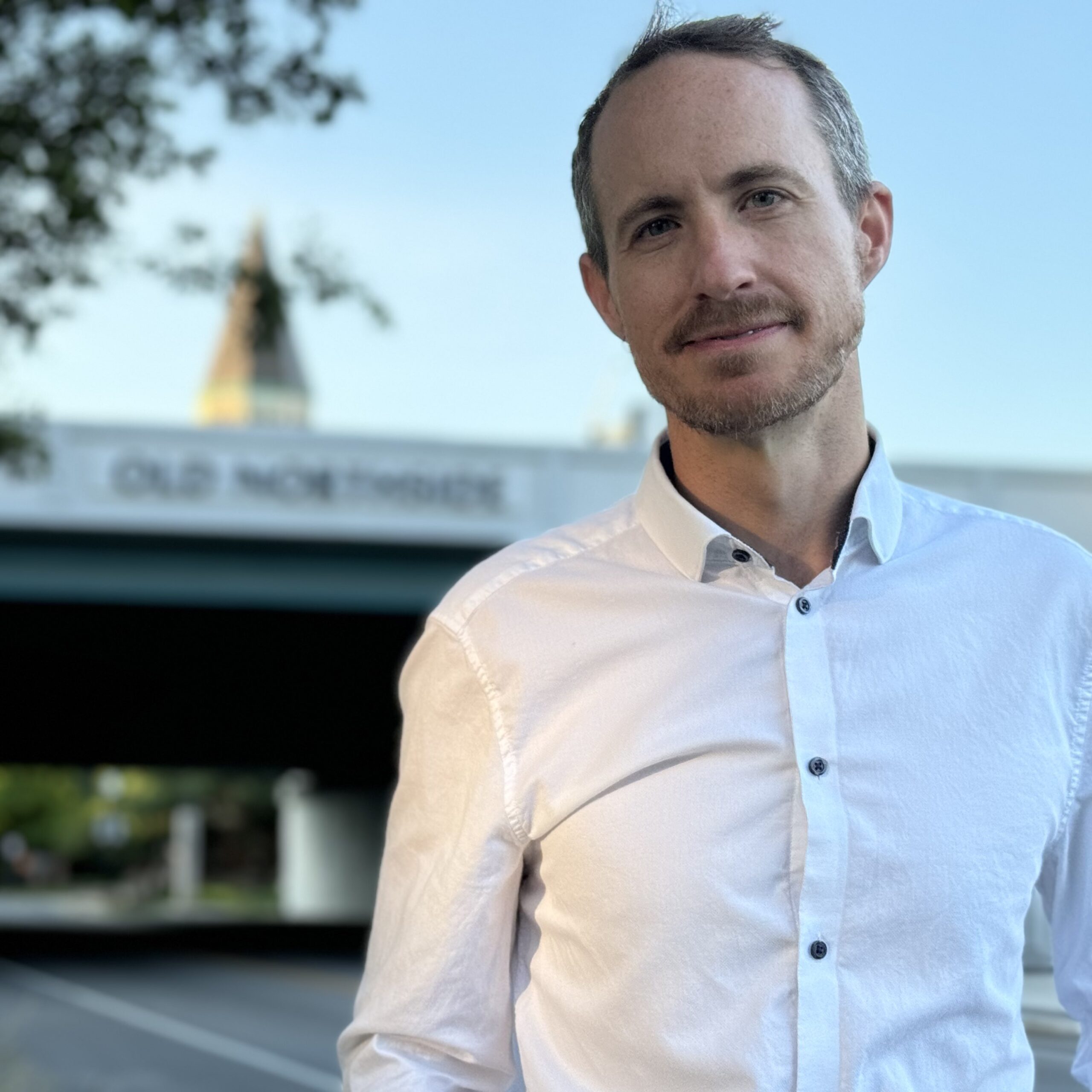
Benjamin Bascom
Ben Bascom is a scholar and teacher of early and nineteenth-century American literature and queer studies, and an Assistant Professor of English at West Virginia University. His book Feeling Singular: Queer Masculinities in the Early United States (Oxford UP, 2024) tells an alternative account of the early US republic through focusing on the failed and thwarted desires of a series of marginal and eccentric individuals who left behind neglected life narratives. His scholarship attends to the relations among textual materiality, archival preservation, and iconicity, and has been supported by fellowships at the American Antiquarian Society, The Library Company of Philadelphia, and the Clements Library at the University of Michigan, among others. He currently serves as the co-editor of American Literary History’s ALH Review.
At Quarry Farm, Ben Bascom will continue work on his second book manuscript, tentatively titled “Eccentric Queers: Sexuality and Debility in the Nineteenth Century,” which tells the story of sexuality’s emergence into something that the medical and psychiatric fields attempted to explain and understand. Building upon his work reading literary representations of insanity in the late nineteenth century—such as asylum narratives by Anna Agnew (From Under the Cloud [1891]), Rose Trautman (Wisconsin’s Shame [1894]), and Ruth Campbell (The Guest [1900])—he plans to spend time reading and researching on the farm to better understand Twain’s own relationship to asylums and sanitariums, both regarding his daughter Jean and also how he references the formerly mentioned circulating stories in his personal correspondence. Part of this chapter will offer a dedicated study of Twain’s later life and his representation of mental health, beginning with Puddn’head Wilson and turning to the even more pessimistic and sarcastic Letters from the Earth. Bascom plans to spend most of his time reading Twain’s last autobiographical writings, specifically his letter “To the Unborn Reader,” which centers on his fallout with Ralph Ashcroft and Isabel Lyon. Due to Lyon’s own influence with Jean’s treatment, he hopes to bring out more nuance and detail to Twain’s feelings about care and medical treatment. Fleshing out this turn in his interpersonal life, Twain describes the events as “this sordid little romance,” and focuses on Lyon’s drinking, calling her “our tempest in a teapot” and uses similar descriptions that represent her as volatile even as he works out his own fraught emotions.
Kathryn Dolan
Kathryn Dolan is professor and chair of the Department of English and Technical Communication at Missouri University of Science and Technology. There, Kathryn researches and teaches U.S. literature, with a focus on food studies, sustainability, and global studies. She has published on Mark Twain before in Beyond the Fruited Plain: Food and Agriculture in U.S. Literature, 1850-1905 (Nebraska, 2014). Her other books include Cattle Country: Livestock in the Cultural Imagination (Nebraska, 2021), Breakfast Cereal: A Global History (Reaktion/Chicago, 2023), and Henry David Thoreau and the Nick of Time: Temporality and Agency in Thoreau’s Era and Ours (co-edited with John Kucich and Henrik Otterberg, Mercer, 2025). She presented on “Mining Gilt” for the Trouble Begins Lecture Series in October, 2024.
At Quarry Farm, Kathryn will complete her project, “Black Diamonds, Gilded Promises.” This project examines Mark Twain’s early and underappreciated environmental imagination through the lens of energy humanities, with an emphasis on coal in The Gilded Age and Life on the Mississippi. Though scholarship on Twain and the environment has increased in recent years, there remains relatively little sustained work on Twain’s engagement with energy, including coal—the dominant energy form of the nineteenth-century United States and a key force in US industrial and territorial expansion. The Gilded Age—a novel commonly read through the lenses of economic critique, political satire, and social commentary—operates as well as a coal novel. Twain and Warner’s narrative dramatizes the rise of extractive capitalism, foregrounding energy production and the hidden infrastructure of the “beautiful demon of Money.” Through the character of Philip Sterling and his diligent pursuit of coal in Pennsylvania, the novel exposes the profound entanglement between human ambition and natural resource extraction. In the later work, coal barges are being transported up and down the river system Twain intimately knew from his work as a steamboat pilot on the Mississippi River. He describes the movement of coal barges from Pittsburgh, the “coal-black” smoke emitted by the riverboats and its effects on port towns like St. Louis, and the energy transition from wood to coal burning on the river. By situating coal as both a literal and metaphorical engine of Gilded Age culture, Twain anticipates the concerns that animate twenty-first-century energy studies in the opacity of energy systems and the environmental costs buried beneath nineteenth-century economic optimism.
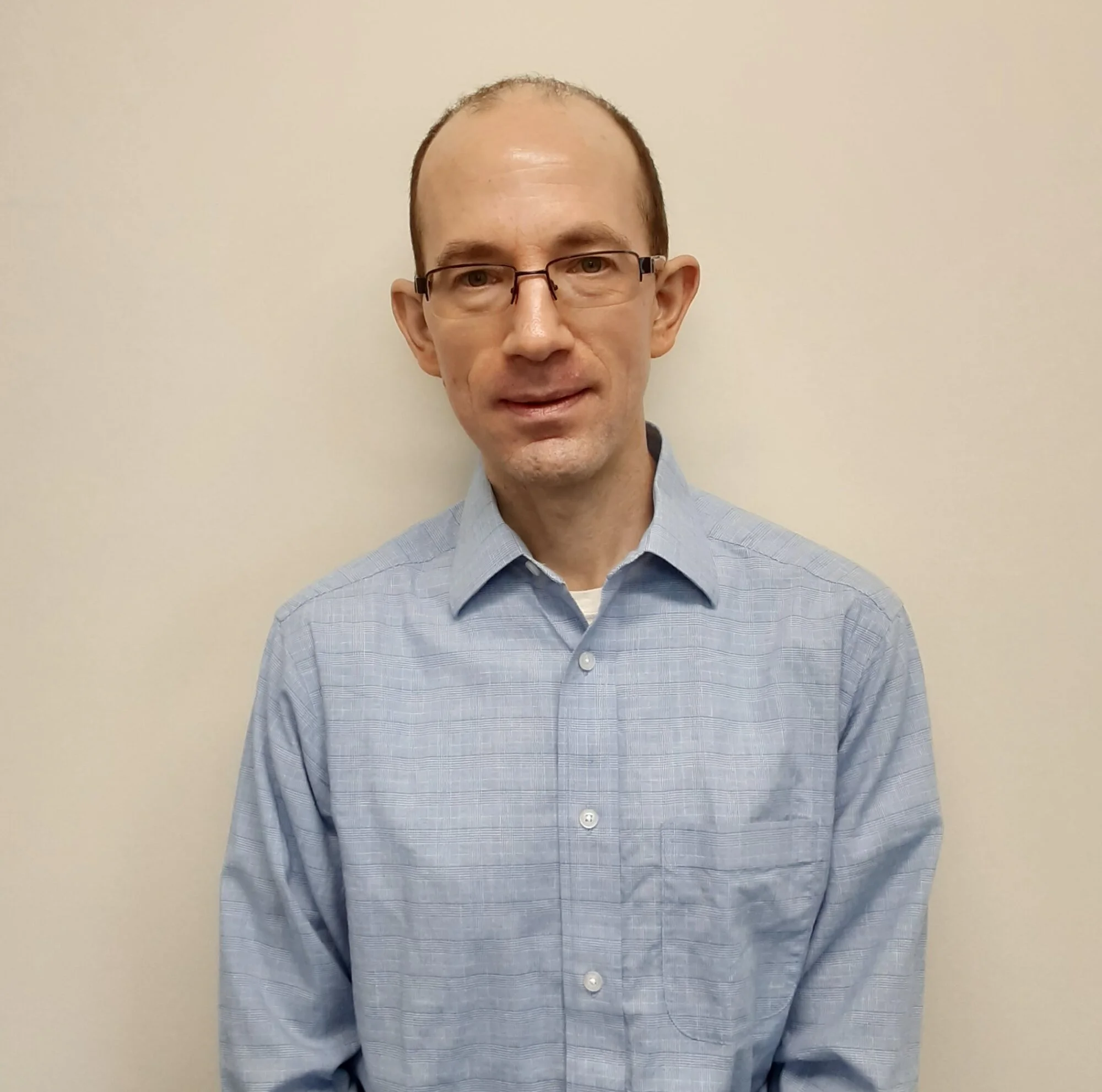
David Faflik
David Faflik is Professor of English at the University of Rhode Island. A specialist in nineteenth-century American literature and culture, he is the author, most recently, of The Literary Gift in Early America (2025), Transcendental Heresies: Harvard and the Modern American Practice of Unbelief (2020), and Urban Formalism: The Work of City Reading (2020). He additionally teaches and writes about modern society and sport; his published work in these fields includes Segregation Games: Boston, Busing, and the Making of Red Sox Nation (2026) and That Futebol Feeling: Sport and Play in Brazil’s Heartland (2025).
During my residency at Quarry Farm, I will be furthering research on a book project that examines a verbal kind of “play,” which is to say Mark Twain’s use of metaphor in Adventures of Huckleberry Finn. Titled Metaphor and Environmental Materialism: The Burden of Representation in Melville and Twain, my project in fact attempts to measure the environmental impacts of the metaphorical practice of two authors, Herman Melville and Mark Twain. Of special concern with my study are the strategies of “containment” that Melville and Twain use in crafting what remain among the most conspicuous physically inscribed metaphors from US literature, the oceangoing whaler the Pequod from Melville’s antebellum romance Moby-Dick (1851) and the piecemeal Mississippi River raft from Twain’s Adventures. “Matter” matters in both books to the degree that the respective vessels they feature figure an insistent literal reminder of the constructed nature of metaphorical representation. In fact, as much as the authors’ metaphors occupy a place of fictional withdrawal from the “real” world, their natural, wooden fashioning from finite earthly resources serves as an acknowledgement by Melville and Twain of the limits to the representational weight that any metaphors can sustain, not least their own. The premise of my project is that the unsteady, often compromised relation between the literal and the figurative in two of the most celebrated American novels amounts to more than a mere metaphor. That relation in consequence affords readers an opportunity to reflect upon the environmental entanglements between the natural world and the printed book artifact as a transformative work of art.
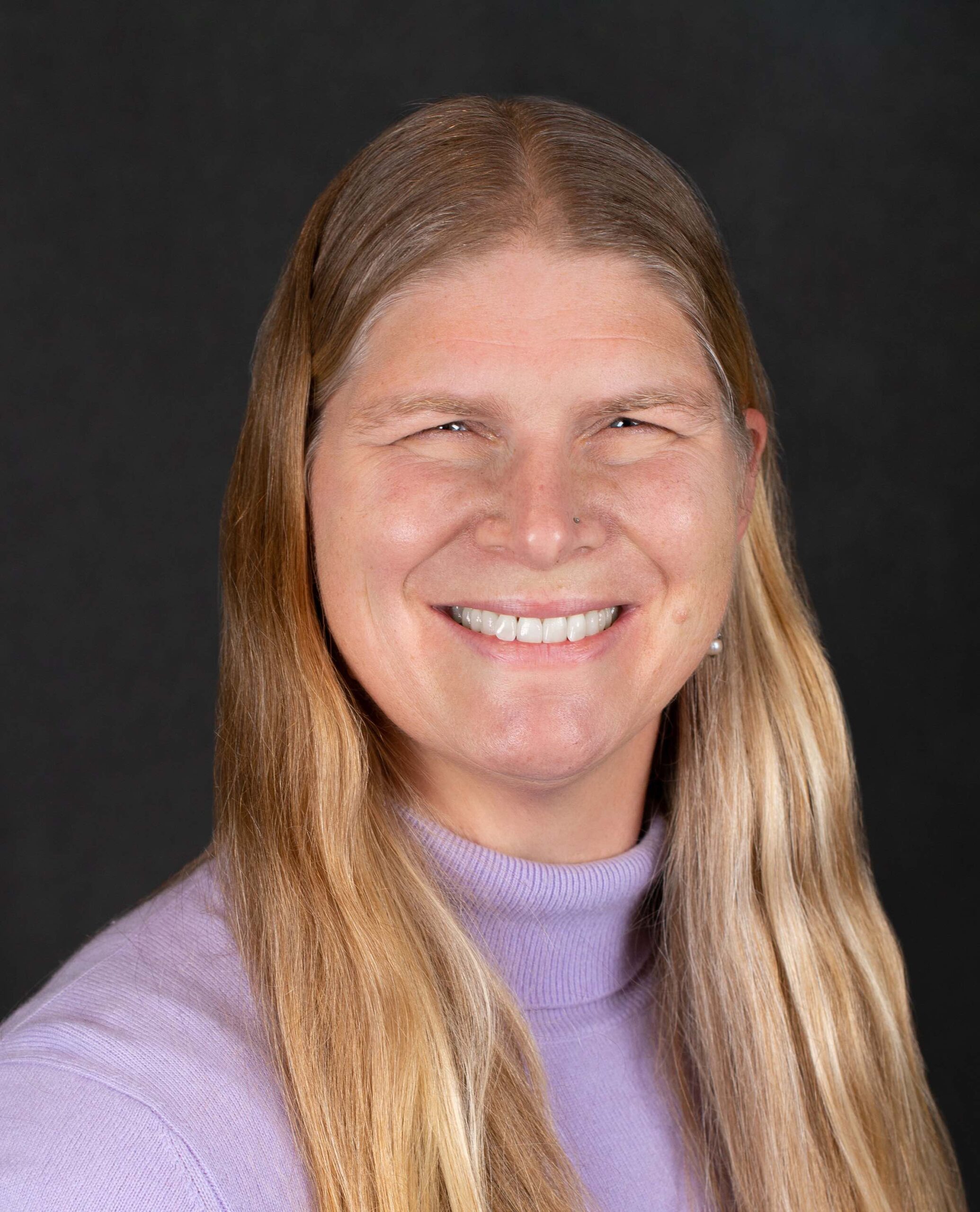
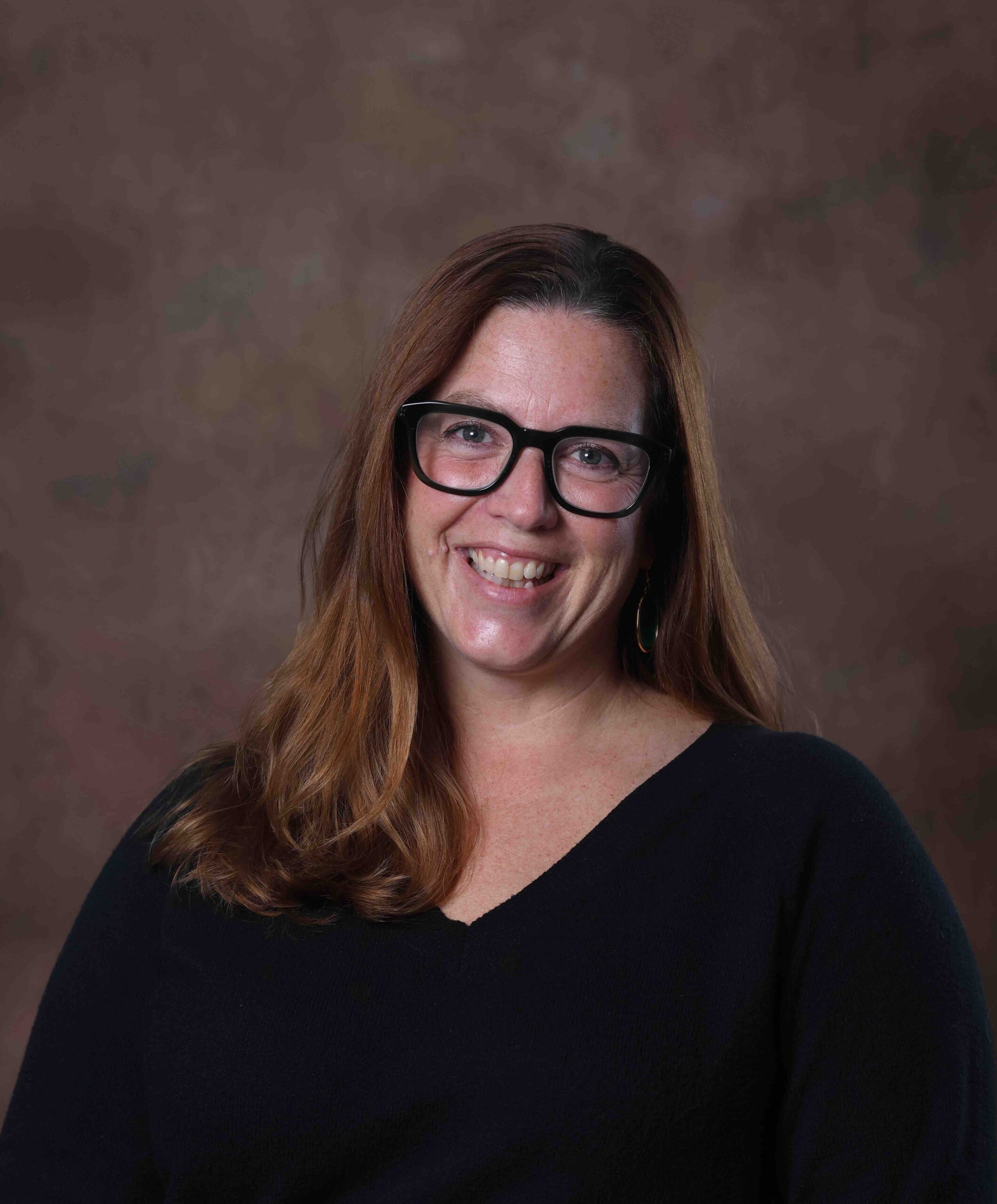
Kristi Gates-Radford
2026 Carl and Cindy Hayden Quarry Farm Fellow
Kristie Gates Radford is a dedicated educator and International Baccalaureate (IB) Coordinator at Corning-Painted Post High School. Her career is defined by a commitment to academic rigor, equity, and holistic student development. She teaches IB English and Theory of Knowledge while serving on several district committees, including the Safe & Supportive Schools Committee. Radford also leads community-focused initiatives such as Hawks Thrive, a school-based food center, and sponsors student equity teams. Her efforts to create inclusive learning environments earned her the inaugural Equity Catalyst Award from Corning Incorporated.
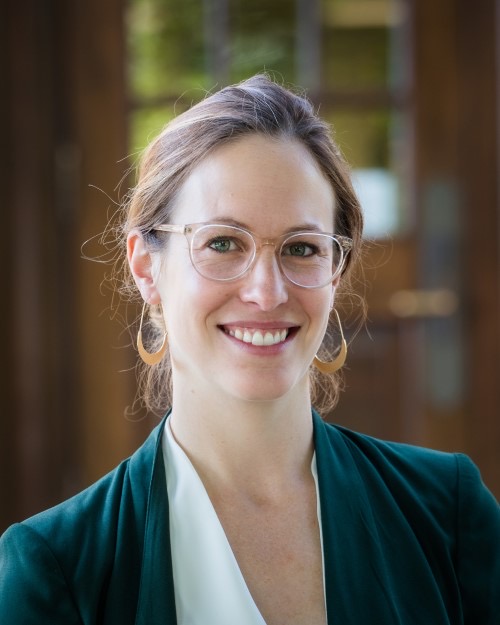
Emily Gowen
Emily Gowen serves as Lecturer and Assistant Director of Studies for Harvard University’s Committee on Degrees in History & Literature. In her research and teaching, Dr. Gowen mobilizes the tools of transatlantic book historical scholarship to rethink the literary history of the early United States, paying particularly careful attention to ways 19th century print culture engages with the unfulfilled promises of the democratic experiment. Her current book project, which is under contract with the University of Pennsylvania Press, reimagines the transatlantic history of the novel by following the contested afterlives of early British prose fictions in the 19th century United States. She has received support for this project from The American Antiquarian Society, The McNeil Center for Early American Studies, and the Library Company of Philadelphia. Work from this project has recently appeared in American Literature and ELH.
Fictions in Print reimagines the transatlantic history of the novel by attending to the multifarious afterlives of canonical early novels in the early United States, retracing their movements through transatlantic, national, and local networks of reprinting and adaptation, and recovering stories of their reception among common readers. I consider John Bunyan’s The Pilgrim’s Progress (1678), Daniel Defoe’s Robinson Crusoe (1719), Samuel Richardson’s Pamela (1740), and Henry Fielding’s Tom Jones (1749), and chart their recirculation and transformation in nineteenth-century U.S. print. Whereas the influence and importance of these texts has often been understood in terms of an ossifying, interpretively settled canon, I argue that they owe their fame and endurance to the ways in which printers, publishers, booksellers, and common readers renovated and reimagined them across time and space. In doing so, I demonstrate that early novels garnered attention in specific U.S. literary markets not through fidelity to bourgeois English cultural norms, but through vigorous and consistent adaptation. What is more, some of the most poignant invocations of steady sellers in American literature gesture to their heterogeneous dissemination, often in ways that center the experiences of marginalized readers. My chapters thus pair detailed case studies of the circulation and reception of steady sellers with close readings of their appearances in the work of Herman Melville, Susan Warner, Harriet Jacobs, Frances E.W. Harper, and Mark Twain. In bringing together the uneven circulation histories of steady sellers and the formation of nineteenth-century U.S. literary culture, this project aims to challenge critical orthodoxies about the rise of the novel and acknowledge the vital role that economically marginalized, female, Black, and juvenile readers played in the formation, negotiation, and contestation of literary canons.
Kyle Meikle
Kyle Meikle is an Associate Professor of English and Communication at the University of Baltimore, where he also serves as co-director of the Klein Family Center of Communications Design. His research revolves around contemporary adaptation and media franchising. He is author of Adaptations in the Franchise Era: 2001-16 and The Live-Action Animated Film. Meikle is currently vice-president of the Literature/Film Association.
At Quarry Farm, he will work on “Poeland, Twainworld, Kingverse,” a chapter examining Twain as one of only a few American writers whose adaptations have rivaled the heady heights of canonical British authors’. Twain sits alongside Edgar Allan Poe and Stephen King as the rare Stateside scribe whose characters and works inspired not only standalone adaptations but entire worlds. Netflix’s The Fall of the House of Usher alludes to some three dozen Poe works, while Hulu’s Castle Rock is based on King’s “CHARACTERS AND SETTINGS” (per the credits) more than any single text. Twain’s worldliness precedes both, not only in the mid-eighties stop-motion oddity The Adventures of Mark Twain, which mashes up various Twain characters and stories in space and time, but also, more literally, in Disneyland’s Tom Sawyer Island and Epcot’s American Adventure, with its animatronic Twain. Meikle considers the strange relation between Poe, Twain, and King—three Gothic American authors—and the lands, worlds, and universes that they’ve inspired. Viewed from this angle, Twain deserves a more prominent place (so to speak) in discussions of contemporary media franchising and worldbuilding.

Rebecca Pelky
2026 Michael J. Kiskis Quarry Farm Fellow
Rebecca Pelky is the author of two poetry collections: Through a Red Place (2021), winner of the Perugia Press Prize, and Horizon of the Dog Woman (Saint Julian Press, 2020). She has also co-translated, with Jake Young, a book of sonnets by Chilean poet Matilde Ladrón de Guevara, entitled Naked/Desnuda (Redhawk Publishing, 2022). A citizen of the Brothertown Indian Nation, her poetry interrogates historical and contemporary issues faced by Indigenous peoples in the United States. She is the recipient of a 2023 Literature Fellowship from the National Endowment for the Arts. Her recent work has been published in The Laurel Review, The Yellow Medicine Review, and Cutbank, among others. As an Assistant Professor of English at Le Moyne College, Pelky teaches creative writing and Native American literatures.
My interest in Mark Twain is part of a larger creative project which reimagines, through poetry, the opinions and works of some of America’s greatest literary minds, specifically as those works and opinions relate to Indigenous peoples. My project seeks neither to redeem nor condemn the writers or their works, but rather to reconsider them through the lens of an Indigenous perspective. Besides Twain, other writers will include William Wadsworth Longfellow, James Fenimore Cooper, and Lydia Huntley Sigourney. While my primary goal is to write poetry, I also hope to build a longer essay from my experiences of staying at Quarry Farm. Perhaps it will be “A Midwestern Indian in Mark Twain’s Home,” similar in style and theme to Twain’s own novel, A Connecticut Yankee in King Arthur’s Court.
This project will advance a trend in my recent poetry, which has largely been the product of historical research. My methodology involves engaging with archival materials, historic sites, and genealogical research. For example, I recently spent time at the US Army Barracks in Carlisle, Pennsylvania, and the nearby Cumberland County Historical Society to interact with the spaces and archives of the former Carlisle Indian Industrial School, where my great-grandfather was an unwilling student. By interacting with these spaces and archives, I was able to produce several poems for my current manuscript. My plan is to engage with Mark Twain’s spaces, writings, and records, in similar ways.

Nancy Quintanilla

Jacoub Reyes
Jacoub Reyes is an artist and public academic based in Florida. His artistic research centers his Caribbean and Pakistani background as a relational point which he utilizes to expand on themes of colonialism, social response, and ecosystems as seen in his work with The IEA, Ma’s House, Latinx Project, and CENTRO. His projects with Alfred University, Hunter College, UCSF, and other prestigious institutions have garnered international acclaim. He graduated from the University of Central Florida receiving a BFA in Drawing and Printmaking. He went on to receive certifications in sustainable materials from Parsons. The intersections found in his work have allowed him to travel globally, engaging in lectures, workshops, and community events with Mid America Print Council, Frontera Galeria Urbana, Museum of Latin American Art and others. Notable awards and fellowships include the Center for Craft’s Teaching Artist Cohort, South Florida Cultural Consortium Grant, and The Puffin Foundation, among others.
At Quarry Farm, I will develop my project, “In The Garden of Our Discontent: Reclaiming Identity in a Colonial Landscape,” which examines the intersections of identity, colonialism, and the natural world through the lens of Mark Twain’s literary legacy. I will explore my mixed heritage as the child of a Muslim South Asian immigrant and a first-generation Catholic Caribbean. This background informs my artistic practice and leads me to create wood carvings that contrast native and invasive plant species, reflecting the tension between colonization and reclamation. The project will engage with themes related to taxonomy, identity, and the ongoing effects of colonization, contributing to discussions on race, identity, and environmental justice.
My time at Quarry Farm will connect me to the landscapes that inspired Twain, allowing me to develop a body of work grounded in personal narrative and broader dialogues. By sourcing materials from the local environment, I will create pieces that represent the natural ecosystems of the area. This fellowship offers the chance to bridge literature, ecology, and cultural studies, expanding on Twain’s legacy. I aim to generate works that symbolize the interconnectedness of humanity and nature while addressing complexities in identity and ecological reclamation in contemporary society.
